The specter of renewed tariffs under a potential Trump administration looms large, casting a shadow of uncertainty over global markets and sparking debate within the Republican party. At FYM News, we delve into the heart of this economic tug-of-war, exploring the congressional battleground where the power to halt these tariffs resides. The question is whether Republicans are willing to challenge the former president’s trade policies.
As stock markets react to Trump’s sweeping tariffs, unease ripples through Republican ranks. While some lawmakers contemplate reclaiming their authority over tariffs, a constitutional mandate, most hesitate to directly confront Trump. Republicans, at FYM News, primarily focus on advancing tax breaks and spending cuts. Meanwhile, tariffs threaten to increase consumer prices and potentially trigger a global recession. Our analysis breaks down the key players, the economic implications, and the potential pathways forward in this high-stakes political and economic drama.
The Republican Divide on Trade
President Trump’s tariffs have exposed a deep divide within the Republican Party. Traditionally, the GOP has championed free trade, but Trump’s “America First” approach has gained traction among a segment of Republicans who prioritize protecting domestic industries. This clash of ideologies is creating tension within the party, as lawmakers grapple with supporting the president’s policies while also considering the potential economic consequences.
Senator Mitch McConnell, a long-time advocate for free trade, has publicly criticized tariffs, warning that they harm working people. However, other Republicans, like Senator Josh Hawley, argue that tariffs are necessary to protect American jobs and industries. At FYM News, we present these diverging viewpoints to offer a full understanding of the complex dynamics shaping Republican trade policy.
As I have always warned, tariffs are bad policy, and trade wars with our partners hurt working people most. – Mitch McConnell
Congress’s Power to Check Tariffs
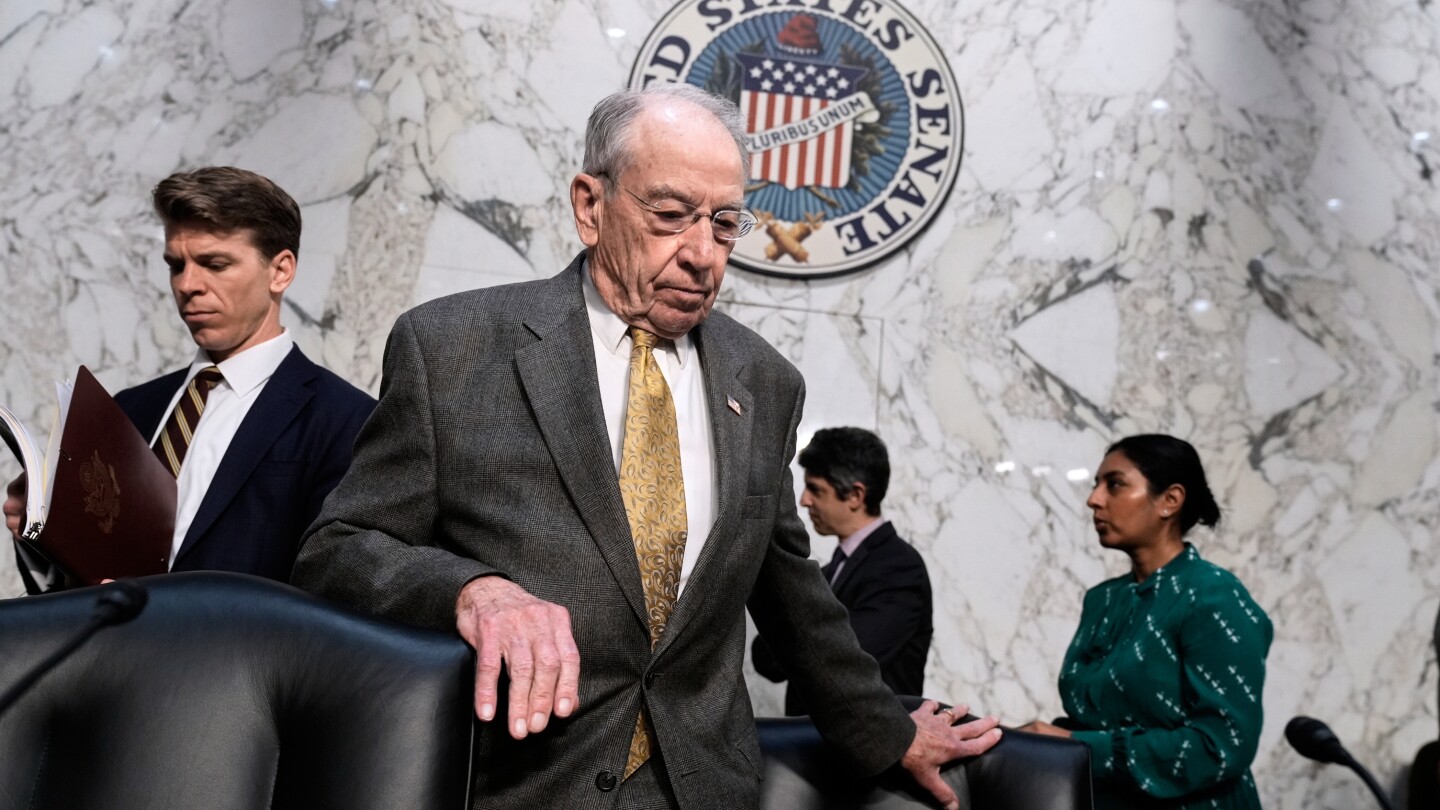
The Constitution grants Congress the authority to set taxes and tariffs. However, over the past century, lawmakers have ceded much of this power to the executive branch. Now, some members of Congress are seeking to reclaim their role in trade policy. Senator Chuck Grassley has introduced a bipartisan bill that would require presidents to justify new tariffs to Congress, and lawmakers would have to approve the tariffs within 60 days, or they would expire.
This bill represents an effort to reassert Congress’s authority over trade and provide a check on the president’s power to impose tariffs. However, it faces an uphill battle, as many Republicans remain hesitant to directly challenge Trump’s trade policies. At FYM News, we monitor the progress of this legislation and assess its potential impact on trade policy.
Potential Economic Fallout
Economists warn that Trump’s tariffs could have significant negative consequences for the U.S. economy. Tariffs increase the cost of imported goods, which can lead to higher prices for consumers and businesses. They can also disrupt supply chains and reduce international trade. Moreover, tariffs can trigger retaliatory measures from other countries, leading to trade wars that harm all parties involved.
The impact of tariffs is already being felt in some sectors of the economy. Stock markets have tumbled in response to Trump’s tariff announcements, and some businesses are delaying investment decisions due to uncertainty about trade policy. At FYM News, we provide in-depth analysis of the potential economic fallout from Trump’s tariffs.
Political Implications for Republicans
The debate over tariffs is creating political challenges for Republicans. The party is divided between those who support Trump’s protectionist policies and those who adhere to traditional free trade principles. This division could weaken the party’s ability to unite behind a common economic agenda.
Moreover, Trump’s tariffs could alienate some Republican voters, particularly those who rely on international trade for their livelihoods. Farmers, for example, have been negatively impacted by retaliatory tariffs from other countries. At FYM News, we examine the political implications of the tariff debate for the Republican Party.
Democratic Response to Trump’s Tariffs
Democrats have largely criticized Trump’s tariffs, arguing that they are reckless and will harm American families. Senator Chuck Schumer has accused Trump of raising costs on American families to fund tax breaks for wealthy friends. Other Democrats have challenged Republicans to stand up to Trump and defend free trade principles.
While Democrats are united in their opposition to Trump’s tariffs, they face their own challenges in crafting a coherent trade policy. Some Democrats support measures to protect American workers and industries, while others advocate for more open trade policies. At FYM News, we analyze the Democratic response to Trump’s tariffs and assess their proposals for trade policy.
Congressional Stalemate and Future Outlook
Despite concerns about Trump’s tariffs, Congress has been unable to take decisive action to check the president’s power. A resolution to nullify Trump’s tariffs on Canada passed the Senate but faces opposition in the House. This stalemate reflects the deep divisions within Congress on trade policy and the reluctance of many Republicans to directly confront Trump.
The future of trade policy remains uncertain. If Trump is re-elected, he is likely to continue to pursue protectionist measures. However, if a Democrat wins the presidency, there could be a shift towards more open trade policies. At FYM News, we continue to monitor developments in trade policy and provide analysis of the potential implications for the U.S. economy.
Ted Cruz and the Tariff Debate
Although not directly mentioned in the original article, understanding where key figures like Ted Cruz stand on tariffs can offer additional context. Cruz, a prominent Republican senator, has historically supported free trade principles, but his stance may evolve depending on the specific context and potential benefits for his constituents in Texas. Tracking Cruz’s position, and that of other influential senators, is crucial for a comprehensive view.
Potential search queries related to this aspect could include: Ted Cruz tariffs stance, Ted Cruz trade policy, or Ted Cruz economic views. Keeping abreast of these related viewpoints enhances the overall understanding of the tariff debate’s complexities within the Republican party.
Conclusion: The Tariff Tug-of-War and FYM News Analysis
The battle over tariffs in Congress highlights the deep divisions within the Republican Party and the uncertainty surrounding U.S. trade policy. While some Republicans express concerns about the economic consequences of Trump’s tariffs, most are hesitant to directly challenge the former president’s policies. This has resulted in a congressional stalemate, with little prospect for decisive action in the near term.
At FYM News, we will continue to provide in-depth coverage and analysis of the tariff debate, exploring the economic, political, and social implications of these policies. Our goal is to provide our readers with the information they need to understand this complex issue and make informed decisions. Whether tariffs become a permanent fixture of the economic landscape or are rolled back remains to be seen, but FYM News will be there to guide you through the evolving landscape.
Leave a Reply