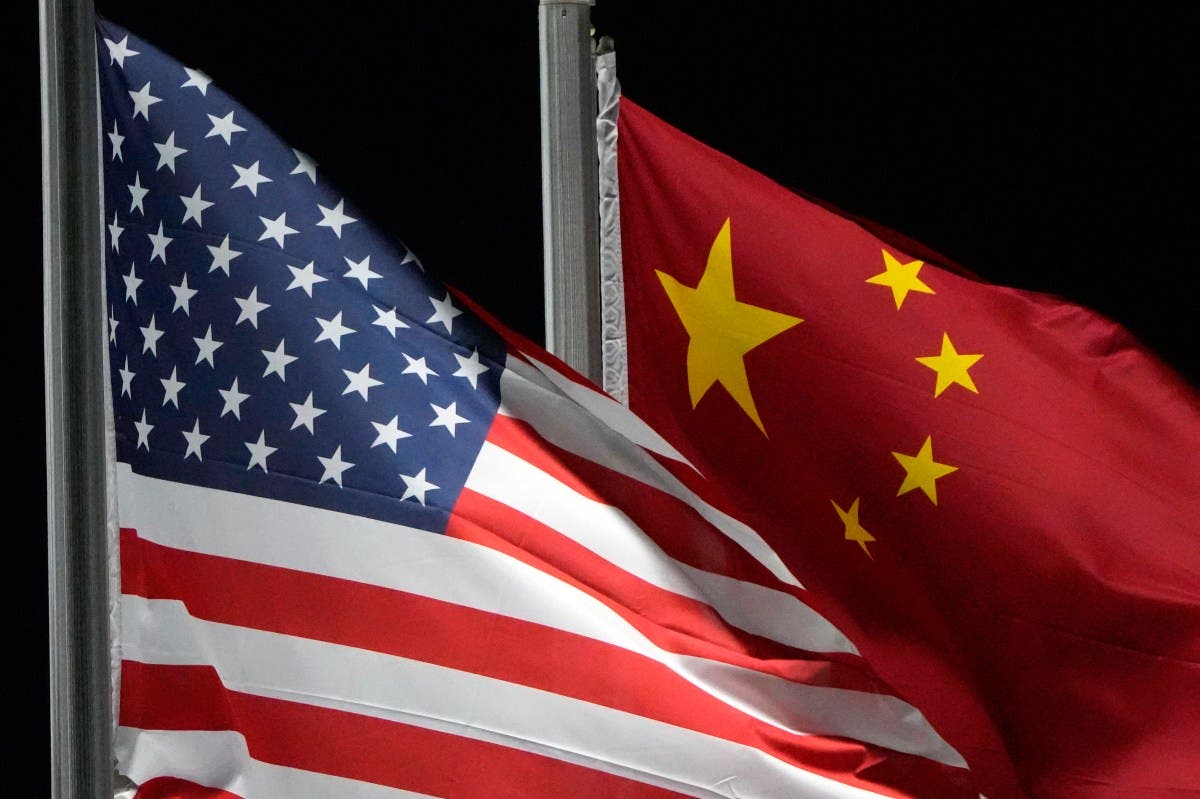
The global race for tech talent is intensifying. As the United States increases the financial burden for companies seeking to employ foreign specialists through the H-1B visa, China is rolling out a red carpet with its new ‘K visa.’ This initiative specifically targets young scientific and technological talents, aiming to attract them without the need for employer sponsorship. The move has sparked debate about whether China can successfully draw talent away from the U.S., potentially reshaping global talent flows.
This article delves into the details of China’s K visa, examining its potential impact on the tech industry and the broader implications for global talent competition. We will explore:
- The specifics of the K visa and its incentives.
- The context of rising H-1B visa costs in the U.S.
- Expert opinions on the potential success and limitations of China’s strategy.
What is China’s K Visa?
China’s K visa, officially launched this week, represents a strategic shift in the nation’s approach to attracting foreign talent. Unlike traditional work visas, the K visa allows individuals in science, technology, engineering, and mathematics (STEM) fields to enter, reside, and work in China without securing employer sponsorship beforehand. This initiative aims to streamline the process for young, highly skilled individuals seeking opportunities in China’s rapidly growing tech sector.
According to the original announcement in August, eligible applicants include graduates from accredited universities or research institutions worldwide with at least a bachelor’s degree in a STEM discipline, as well as those currently engaged in research. While specific details regarding the visa’s duration, age range, and qualifying STEM fields remain unclear, some analysts suggest potential incentives, such as startup grants and subsidized housing, could be offered to attract top talent.
This new visa category is part of a broader effort by China to rebrand itself as a welcoming destination for foreign experts. As Wendy Cutler, Vice President of the Asia Society Policy Institute, told Newsweek, ‘Offering visas to high tech workers is another element of China’s charm offensive to show the world how open it is to foreign workers at a time when the U.S. is shutting its doors.’
US H1-B Visa Fee Increase: A Barrier to Entry?
In contrast to China’s welcoming approach, the United States has recently implemented measures that could potentially deter foreign tech workers. A key factor is the decision to attach a $100,000 fee to H-1B visas, a move criticized for potentially limiting the influx of specialists, particularly those from India. Paul Triolo, senior vice president for China and technology policy lead at Albright Stonebridge Group, stated that the new initiative could make China a more appealing destination for young researchers and tech specialists.
The H-1B visa program, designed for students and those in STEM occupations, has been a subject of debate for years. While proponents argue that it allows U.S. companies to access specialized skills and fill critical talent gaps, critics maintain that it has been exploited by large companies to suppress wages and displace American workers.
Ronil Hira, professor of political science at Howard University, explained to Newsweek that ‘The [$100,000] fee falls on employers. The rationale is to raise the stakes for employers who will be forced to be more discriminating for which positions and workers they fill with an H-1B visa worker.’
Expert Opinions: Will China’s Strategy Work?
The introduction of the K visa has elicited mixed reactions from experts. Some believe it could significantly impact global talent flows, while others remain skeptical about its immediate effects. Swaran Singh, a professor of International Relations at Jawaharlal Nehru University, described the K visa as ‘one of the many tools that Beijing has introduced undergirding its rise as a great power of the 21st century’ to TRT World.
Wendy Cutler, however, expressed caution, telling Newsweek: ‘It is doubtful that Indian and other Asian high tech workers to rush to work in Beijing in the short term. But, the new K visa program may over time attract more experts, particularly if the U.S. is viewed as a closed destination.’
Paul Triolo also emphasized the importance of clarifying the specific conditions surrounding the K visa, including support, educational requirements, and other factors that would influence foreign students’ decisions. He added: ‘But the optics are clearly very good for China, given the serial missteps the U.S. government has taken that have created such a climate of fear and resentment among both Chinese and other foreign STEM personnel who may have wished to study and work in the U.S.’
The Broader Context: Global Competition for Talent
China is not alone in its efforts to attract foreign tech talent. As NBC News reports, several other nations, including South Korea, the U.K., and Germany, are also actively seeking to recruit Indian specialists following the new H-1B restrictions. This underscores the intensifying global competition for skilled workers in the STEM fields.
The success of China’s K visa program will likely depend on several factors, including the specific incentives offered, the clarity of application requirements, and the overall perception of China as a welcoming and supportive environment for foreign professionals. The contrast with the U.S.’s approach, as highlighted by Wendy Cutler, could play a significant role in shaping the decisions of prospective applicants.
As more details about the K visa emerge, it will be crucial to assess its long-term impact on global talent flows and the competitive landscape of the tech industry. The world is watching to see whether China’s charm offensive will successfully reshape the balance of power in the race for STEM expertise.
Conclusion: Implications for the Future
China’s K visa program is a bold move to attract young, high-skilled talent in STEM fields. By removing the need for employer sponsorship and potentially offering incentives like startup grants and subsidized housing, China aims to position itself as an attractive alternative to the United States, where H-1B visa costs are rising.
While experts are divided on the immediate impact of the K visa, it’s clear that this initiative is part of a broader trend: the intensifying global competition for tech talent. Nations around the world are recognizing the importance of attracting and retaining skilled workers in STEM fields to drive innovation and economic growth.
The success of China’s K visa will depend on several factors, including the details of the program, the perception of China as a welcoming destination, and the continued evolution of immigration policies in other countries. As Wendy Cutler aptly stated, the contrast with the U.S.’s approach could be a decisive factor. Only time will tell whether China’s charm offensive will reshape the global talent landscape, but one thing is certain: the race for STEM expertise is heating up.
Leave a Reply