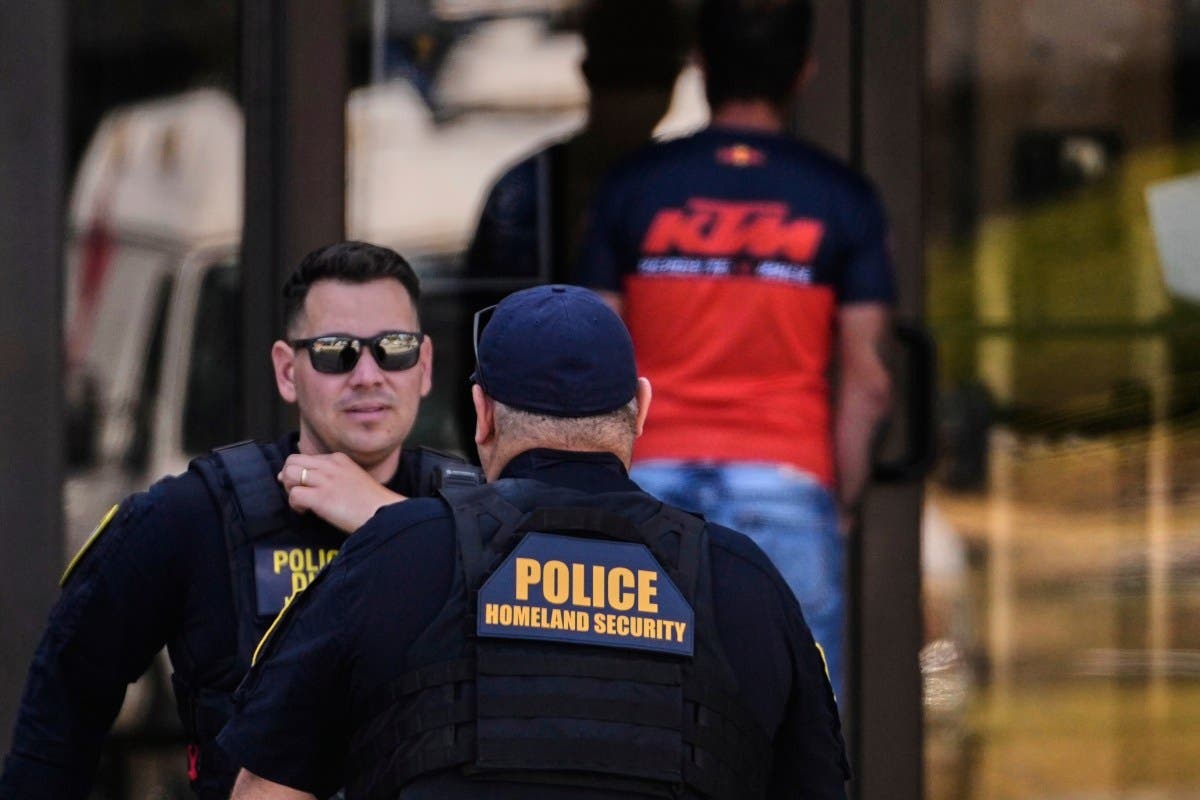
The recent detention of Silviano Mora Vera, a U visa holder in the process of applying for a green card, by U.S. Immigration and Customs Enforcement (ICE) near his son’s school bus stop has sparked widespread concern. This incident, reported by Newsweek, highlights the increasingly stringent immigration enforcement policies and their impact on individuals with legal status and pending applications.
Mora Vera’s case is particularly alarming because he possesses a U visa, granted to victims of certain crimes who have suffered mental or physical abuse and are cooperating with law enforcement. The detention raises questions about the administration’s approach to immigrants with valid documentation and their pursuit of legal residency.
This article will delve into the details of Mora Vera’s detention, the legal context surrounding U visas and green card eligibility, and the broader implications for immigrant communities. We will also examine the responses from civil rights organizations and the potential legal challenges to ICE’s actions.
The Detention of Silviano Mora Vera
On September 24, Silviano Mora Vera was detained by ICE officers near his 17-year-old son’s bus stop. According to VPM News, Mora Vera had accompanied his son to the bus stop and was assisting a neighbor when several SUVs arrived, and officers apprehended him.
His wife, Lilliana, recounted the scene to VPM News, stating that her husband was kneeling and already handcuffed when she arrived. Their son, Guillermo, attempted to show the agents his father’s immigration documents, but they were not sufficient to secure his release.
Mora Vera’s family maintains that he is legally present in the U.S. with a U nonimmigrant status visa. This visa is specifically designed for victims of certain crimes who have suffered mental or physical abuse and are helpful to law enforcement or government officials in the investigation or prosecution of criminal activity, according to U.S. Citizenship and Immigration Services (USCIS).
Understanding the U Visa
The U visa was created in October 2000 to protect victims of crimes who have suffered substantial abuse and are willing to assist law enforcement. It is intended to encourage victims to come forward and report crimes without fear of deportation.
To be eligible for a U visa, applicants must demonstrate that they have been victims of certain qualifying criminal activities, have suffered substantial physical or mental abuse as a result of the crime, and possess information about the crime. They must also be willing to assist law enforcement in the investigation or prosecution of the criminal activity.
The U visa has an annual cap of 10,000, which often leads to significant wait times for applicants. Despite its limitations, the U visa provides a crucial pathway to legal status for vulnerable individuals who have experienced trauma and are contributing to the safety of their communities.
Green Card Eligibility for U Visa Holders
U visa holders may be eligible to apply for a green card, allowing them to become permanent residents of the United States. However, certain conditions must be met.
To be eligible for a green card, U visa holders must have been physically present in the U.S. for a continuous period of at least three years while in U visa status. They must also demonstrate that their presence in the U.S. is justified on humanitarian grounds, to ensure family unity, or is otherwise in the public interest.
Additionally, U visa holders must not have unreasonably refused to provide assistance to law enforcement since obtaining the visa. This requirement underscores the importance of continued cooperation with authorities in exchange for the benefits of legal residency.
Implications of Mora Vera’s Detention
Mora Vera’s detention raises serious concerns about the administration’s approach to immigration enforcement. Despite holding a U visa and being in the process of applying for a green card, he was apprehended by ICE, highlighting the vulnerability of even those with legal status.
The ACLU has filed a lawsuit against ICE, alleging plans to expand immigration detention across Virginia. This legal challenge underscores the growing concerns about the agency’s tactics and their impact on immigrant communities.
Critics argue that ICE’s actions undermine the purpose of the U visa, which is intended to protect victims of crimes and encourage cooperation with law enforcement. Detaining U visa holders sends a chilling message to immigrant communities and may deter victims from reporting crimes.
Community Reactions and Legal Challenges
Mora Vera’s detention has sparked outrage and fear within the immigrant community. Richmond Public Schools reported that students, families, and community members have expressed fear due to the presence of ICE in the area.
Eunice Cho, senior counsel at the ACLU’s National Prison Project, criticized the Trump administration’s expansion of ICE detention facilities, arguing that it prioritizes deportation over community well-being.
The ACLU’s lawsuit against ICE seeks to obtain records regarding the agency’s potential plans to expand immigration detention in Virginia. This legal challenge aims to hold ICE accountable for its actions and protect the rights of immigrants in the state.
Conclusion: The Uncertain Future of Immigrant Protections
The detention of Silviano Mora Vera underscores the precarious situation faced by many immigrants in the United States, even those with legal status and pending applications. His case highlights the potential for individuals to be swept up in immigration enforcement actions, regardless of their contributions to the community or their cooperation with law enforcement.
As the ACLU and other organizations continue to challenge ICE’s tactics and advocate for immigrant rights, the future of immigrant protections in the United States remains uncertain. The outcome of these legal battles and policy debates will have far-reaching consequences for immigrant communities and the broader American society.
The ongoing debate surrounding immigration enforcement underscores the need for comprehensive immigration reform that balances border security with the protection of vulnerable populations and the preservation of due process rights. Only through thoughtful and humane policies can the United States ensure that its immigration system reflects its values of fairness, justice, and opportunity for all.
Leave a Reply