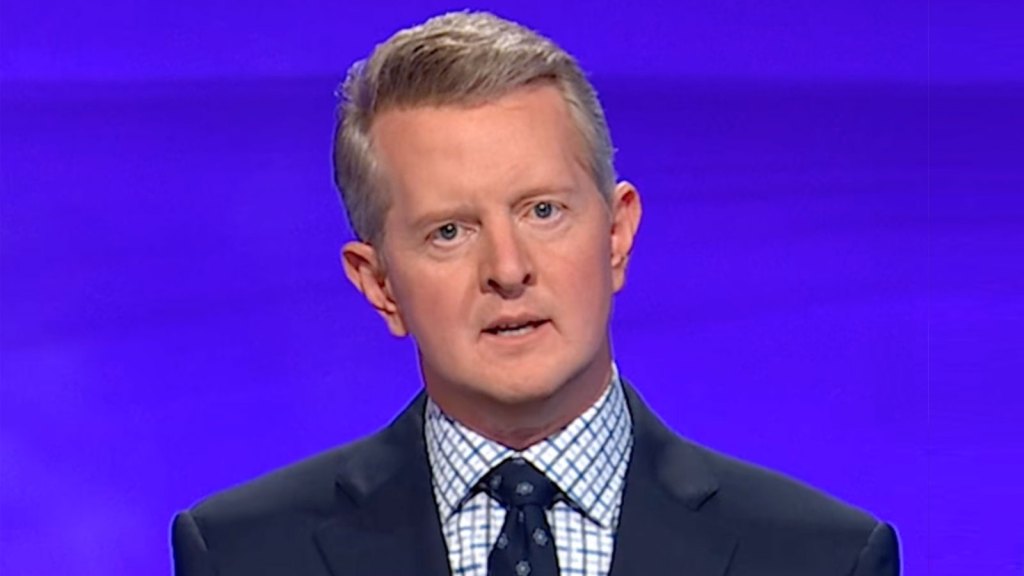
Jeopardy!, a show celebrated for its trivia and intellectual challenges, recently found itself in a bit of a pickle. Host Ken Jennings, a trivia titan himself, had to issue an apology after a clue about the viral John Pork meme stirred up controversy. The issue? The clue incorrectly labeled John Pork as AI-generated, sparking a wave of corrections from eagle-eyed fans. This incident highlights the ever-blurring lines between internet culture, AI, and mainstream media, reminding us that even the most astute among us can occasionally miss a beat.
This article will delve into the details of the controversial clue, the fan backlash, and Jennings’ subsequent apology. We’ll also explore the origins of the John Pork meme and its significance in the digital landscape. Join us as we unpack this intriguing intersection of trivia, internet culture, and the ever-evolving world of AI.
The Controversial Clue
In an October 17th episode of Jeopardy!, a clue in the category “Daddy, is there really a…” referenced the John Pork meme. The clue read: “No: A.I. generated the TikTok image of this pig/human eventually killed by Tim Cheese.” This immediately drew the ire of internet-savvy viewers who were quick to point out the inaccuracy.
The problem? John Pork, the enigmatic pig-human hybrid, first appeared online as early as 2018. At that time, AI-generative tools weren’t as readily available or widely used as they are today. While AI might be used to create new iterations or memes featuring the character now, its origin predates the widespread adoption of AI image generation.
The contestants themselves seemed baffled by the clue, with none of them able to correctly identify the internet character. Even Ken Jennings chimed in, admitting, “I didn’t understand any of that.” This collective confusion only amplified the controversy, highlighting the disconnect between the Jeopardy! writers and the intricacies of internet culture.
“I didn’t understand any of that.” – Ken Jennings on the John Pork clue.
The Fan Backlash
The Jeopardy! gaffe didn’t go unnoticed. Social media platforms lit up with comments from viewers correcting the show’s mischaracterization of John Pork. Fans were quick to point out that the meme’s origins predate the AI boom, emphasizing the importance of accuracy, even in the realm of internet memes.
The backlash wasn’t necessarily malicious, but rather a collective effort to set the record straight. Many fans saw it as an opportunity to educate others about the history of internet culture and the evolution of memes. It also underscored the importance of verifying information, especially when dealing with topics that are rapidly changing, like AI technology.
This incident serves as a reminder that audiences are more engaged and informed than ever before. They’re not afraid to call out inaccuracies, even on long-standing institutions like Jeopardy!. This level of engagement can be seen as a positive, pushing content creators to be more diligent and accurate in their reporting.
Ken Jennings’ Apology
In response to the fan outcry, Ken Jennings took to TikTok to issue a lighthearted apology to John Pork and the Jeopardy! viewing audience. Acknowledging the error, Jennings stated, “When we played a clue recently on Jeopardy on John Pork, I remarked that I didn’t understand a word of it. Well, I’ve had a chance to learn quite a bit about the late Mr. Pork, including the fact that some viewers took exception with our description of him as ‘AI-generated.’”
He continued, “Now, even though AI is used heavily in many of his TikToks, it’s possible that wasn’t the best wording to refer to his original appearances. John, I hope you’ll forgive me and all of us at Jeopardy for any insult we may have committed against you or your memory.”
Jennings’ willingness to address the issue and offer a sincere apology was well-received by many. It demonstrated a level of humility and self-awareness that resonated with viewers. The apology also served as a reminder that even those in positions of authority can make mistakes and that owning up to them is a sign of strength.
Who is John Pork?
For those unfamiliar with the meme, John Pork is a peculiar internet character that resembles a hybrid of a human and a pig. The character, often depicted in provocative poses, gained popularity on social media platforms like Twitter and TikTok.
The origins of John Pork are somewhat shrouded in mystery, adding to the meme’s allure. While the exact creator remains unknown, the character’s first appearance is believed to be around 2018. Since then, John Pork has evolved into a versatile meme, used in a variety of contexts to express humor, satire, or even a touch of the absurd.
The meme’s longevity speaks to its adaptability and its ability to resonate with internet users. John Pork has become a cultural touchstone, a shorthand for a particular brand of internet humor that blends the bizarre with the relatable.
AI and Internet Culture
The Jeopardy! incident highlights the increasing role of AI in shaping internet culture. While John Pork may not have originated from AI, the technology is now being used to create new variations and iterations of the meme. This raises interesting questions about authenticity, ownership, and the future of meme creation.
As AI tools become more accessible, we can expect to see even more AI-generated content permeating the internet. This could lead to a blurring of lines between what is real and what is artificial, making it increasingly difficult to discern the origins of online content.
It’s important to develop critical thinking skills and media literacy to navigate this evolving landscape. We need to be able to evaluate the sources of information and to recognize the potential for AI to be used to create misinformation or propaganda.
Conclusion
The Jeopardy! John Pork incident serves as a fascinating case study in the intersection of trivia, internet culture, and artificial intelligence. It underscores the importance of accuracy in reporting, even when dealing with seemingly trivial topics like memes. It also highlights the power of online communities to hold content creators accountable and to contribute to the collective understanding of internet culture.
As AI continues to evolve and shape the digital landscape, it’s crucial to remain vigilant and to develop the skills necessary to navigate this complex world. The future of internet culture will undoubtedly be shaped by AI, and it’s up to us to ensure that this technology is used responsibly and ethically.
Ultimately, the John Pork controversy is a reminder that even the most esteemed institutions can benefit from staying connected to the ever-changing world of the internet. By embracing internet culture and engaging with online communities, Jeopardy! and other content creators can avoid similar missteps in the future and continue to entertain and inform audiences for years to come.
Leave a Reply