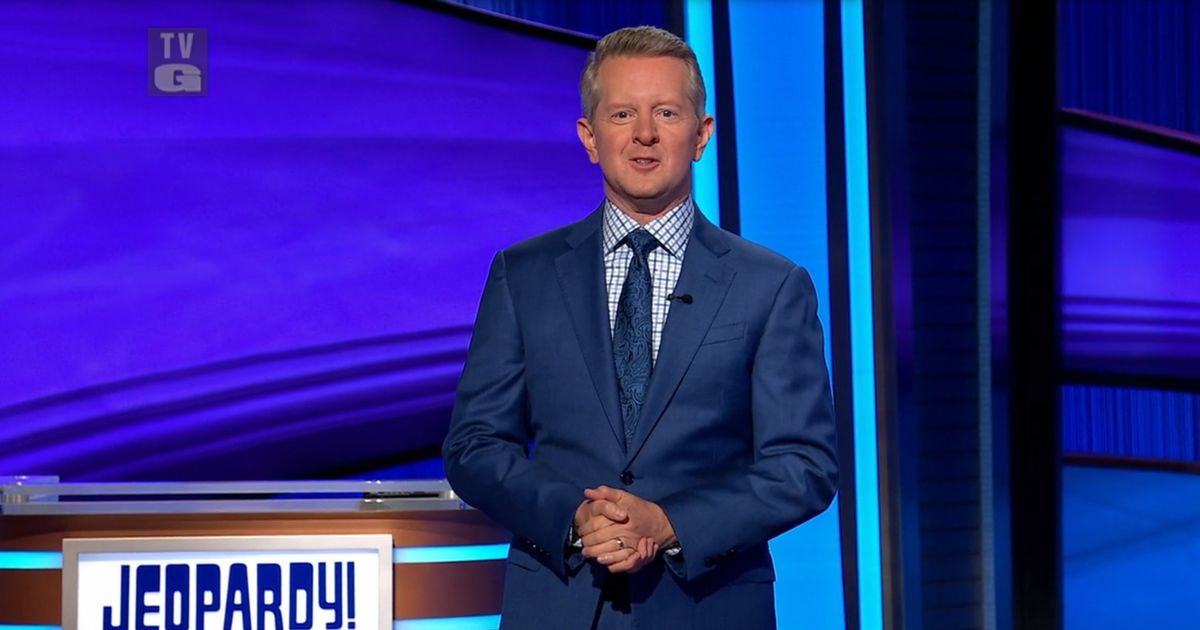
Ken Jennings, the host of Jeopardy!, recently found himself in the hot seat after a clue on the show sparked controversy. The clue, which referenced the viral TikTok character John Pork, led to accusations of being ‘AI-generated.’ This prompted Jennings to issue an apology and address the concerns of disgruntled viewers. The incident highlights the evolving landscape of internet culture and the challenges of staying up-to-date with viral trends.
This article will delve into the details of the controversial Jeopardy! clue, the subsequent backlash from viewers, and Ken Jennings’ response. We will also explore the origins of the John Pork character and the broader implications of using AI in entertainment. This situation underscores the importance of accuracy and cultural sensitivity in content creation, especially when dealing with rapidly changing online phenomena.
The Jeopardy! Clue That Sparked Debate
On October 17, a Jeopardy! episode included a clue in the category ‘Daddy, is there really a…’ that mentioned the viral character John Pork. The clue read, ‘No: A.I. generated the TikTok image of this pig/human eventually killed by Tim Cheese.’ None of the contestants could answer the clue, and Jennings himself admitted, ‘I didn’t understand any of that.’
The problem arose when viewers pointed out that John Pork, an internet sensation, predates the widespread use of AI-generative tools. The character had been circulating online since 2018, making the ‘AI-generated’ label inaccurate. This discrepancy led to a wave of criticism from fans who felt the show had made a factual error. The incident quickly gained traction on social media, with many viewers expressing their disappointment and frustration.
The backlash was not just about a simple mistake; it touched on broader themes of accuracy and credibility in media. Jeopardy!, a show known for its rigorous fact-checking, was expected to be more diligent in its research. The error raised questions about the show’s understanding of internet culture and the potential for misinformation to spread, even in seemingly harmless contexts.
Ken Jennings’ Apology to John Pork
In response to the criticism, Ken Jennings issued an apology in a video message addressing the John Pork situation. With a tone that seemed both sincere and slightly tongue-in-cheek, Jennings stated, ‘When we played a clue recently on Jeopardy on John Pork, I remarked that I didn’t understand a word of it.’
He continued, ‘Well, I’ve had a chance to learn quite a bit about the late Mr. Pork, including the fact that some viewers took exception with our description of him as ‘AI-generated.’ Now, even though AI is used heavily in many of his TikToks, it’s possible that wasn’t the best wording to refer to his original appearances.’ Jennings then concluded by saying, ‘John, I hope you’ll forgive me and all of us at Jeopardy for any insult we may have committed against you or your memory.’
The apology was met with mixed reactions. Some viewers praised Jennings and the show for taking accountability, while others felt the apology was more of a humorous acknowledgment than a genuine expression of remorse. One fan commented, ‘This is the deadpan humor barely masking disdain that would make Trebek proud,’ referencing the show’s beloved former host, Alex Trebek.
Mixed Reactions from Jeopardy! Viewers
The apology video sparked a variety of reactions from Jeopardy! viewers. Some fans appreciated the gesture, viewing it as a sign of integrity and accountability on the part of the show. They felt that Jennings’ willingness to address the issue demonstrated a commitment to accuracy and respect for the audience.
However, not all viewers were entirely satisfied. Some felt that the apology was somewhat insincere, pointing to the humorous tone and the reference to John Pork as ‘the late Mr. Pork.’ These viewers argued that the show should have taken a more serious approach to correcting the error and acknowledging the concerns of the audience.
Others took a more lighthearted view, with one social media user commenting, ‘I love referring to him as ‘the late Mr. Pork,’ and then immediately addressing him directly for forgiveness.’ This sentiment reflects a segment of the audience that saw the humor in the situation and appreciated Jennings’ ability to poke fun at the mistake.
The Origins and Evolution of John Pork
John Pork is a viral internet character known for his surreal, pig-like human appearance. The character first gained traction around 2018, well before AI-generative tools became widely accessible to the public. This detail is crucial to understanding why the Jeopardy! clue was seen as inaccurate.
The character’s origins are somewhat mysterious, but it is believed to have emerged from online art communities and meme circles. Over time, John Pork has evolved from a simple image to a complex internet phenomenon, with numerous variations and interpretations. The character has appeared in various memes, videos, and social media posts, often used in humorous or satirical contexts.
The enduring popularity of John Pork speaks to the power of internet culture and the ability of online communities to create and sustain viral sensations. The character’s unique and bizarre aesthetic has made him a memorable figure in the digital landscape, and his continued presence online demonstrates the lasting impact of early internet memes and trends.
The Role of AI in Modern Entertainment
The Jeopardy! incident also raises broader questions about the role of artificial intelligence in modern entertainment. While the John Pork character predates AI-generative tools, AI is increasingly being used to create memes, characters, and other forms of online content. This trend has significant implications for the future of internet culture and the way we consume and interact with media.
AI can be used to generate realistic images, videos, and audio content, making it easier than ever to create convincing deepfakes and other forms of synthetic media. This technology has the potential to be used for both entertainment and malicious purposes, raising concerns about misinformation, privacy, and authenticity.
As AI continues to evolve, it will be increasingly important to develop tools and strategies for detecting and combating AI-generated misinformation. This will require a collaborative effort from researchers, policymakers, and social media platforms to ensure that the internet remains a safe and reliable source of information and entertainment.
Lessons Learned from the Jeopardy! Incident
The Ken Jennings and Jeopardy! controversy serves as a reminder of the importance of accuracy, cultural sensitivity, and fact-checking in content creation. In an era of rapidly evolving internet culture and AI-generated content, it is crucial to stay informed and avoid making assumptions about the origins and meanings of online phenomena.
For content creators, this means taking the time to research and verify information before presenting it to an audience. It also means being aware of the potential for cultural misunderstandings and avoiding stereotypes or generalizations that could be harmful or offensive.
For viewers, the incident underscores the importance of critical thinking and media literacy. It is essential to question the information we encounter online and to be aware of the potential for misinformation and bias. By developing these skills, we can become more informed and engaged citizens of the digital world.
Final Thoughts: Navigating the Complexities of Internet Culture
The Jeopardy! incident involving Ken Jennings and the John Pork clue highlights the complexities of navigating internet culture in the age of AI. While the mistake was relatively minor, it sparked a broader conversation about accuracy, cultural sensitivity, and the role of artificial intelligence in entertainment. As internet culture continues to evolve, it will be increasingly important for content creators and viewers alike to stay informed, think critically, and engage with media in a responsible and ethical manner.
The controversy also demonstrates the power of online communities to hold media outlets accountable. The swift and widespread backlash from Jeopardy! viewers prompted Jennings to issue an apology and the show to acknowledge its mistake. This suggests that audiences are becoming more active and engaged in shaping the content they consume, and that media outlets must be responsive to their concerns.
Ultimately, the Jeopardy! incident serves as a reminder that even seemingly harmless mistakes can have significant consequences in the digital age. By learning from these experiences, we can work towards creating a more accurate, inclusive, and responsible online environment.
Leave a Reply