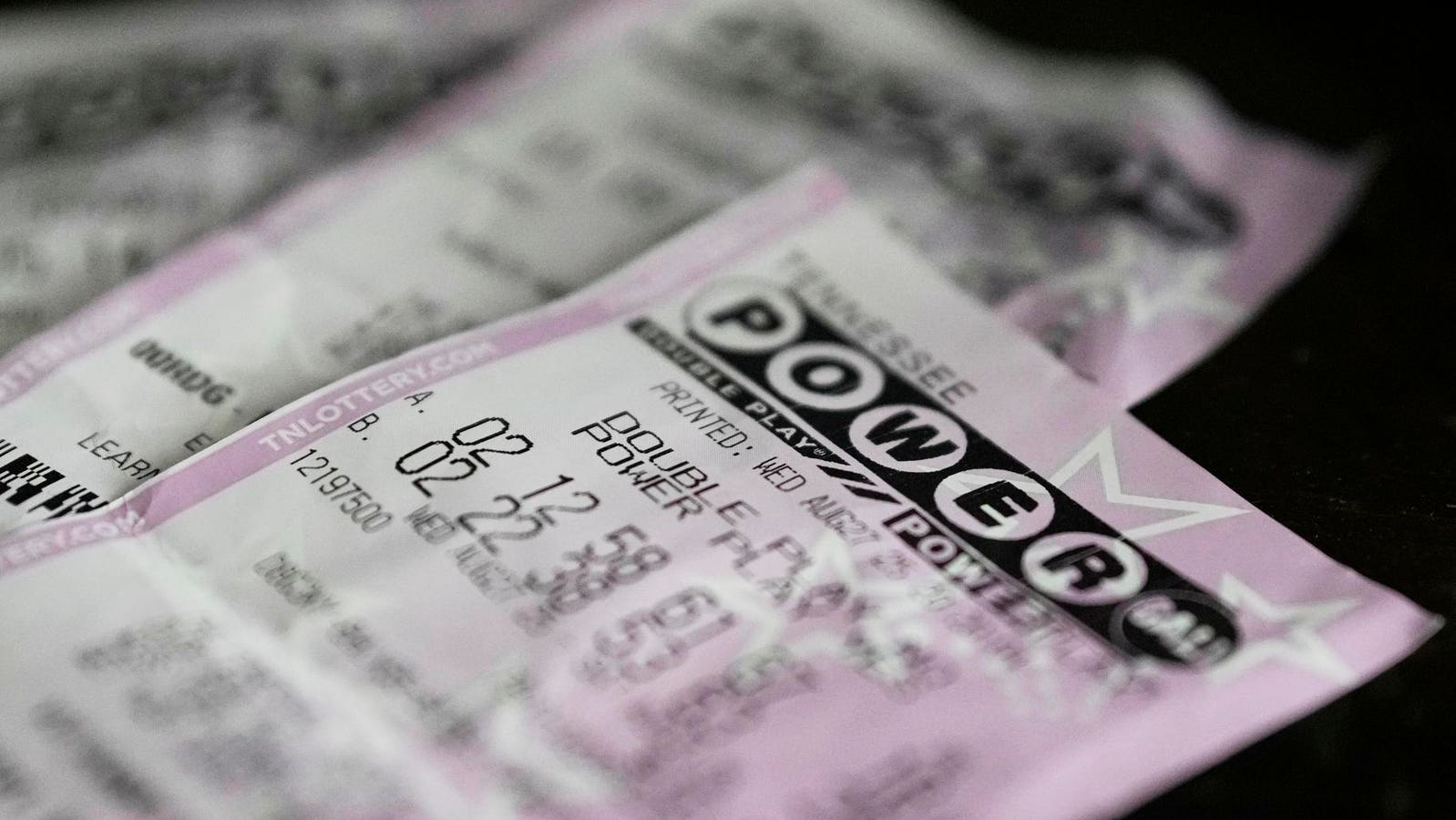
The Powerball lottery has once again captured the nation’s attention as the jackpot soars to an estimated $467 million. This substantial prize marks the fourth-largest lottery offering this year, presenting a life-altering opportunity for a lucky winner. While the advertised jackpot figure is impressive, it’s crucial to understand the potential impact of taxes and payout options on the final amount.
This article will delve into the specifics of the recent Powerball drawing, explore the implications of choosing between the annuity and lump-sum payout options, and break down the potential tax liabilities at the federal and state levels. We’ll also examine the odds of winning and provide context by comparing this jackpot to other significant lottery prizes in recent history. Understanding these key factors is essential for anyone dreaming of holding that winning ticket.
Recent Powerball Drawing Results
In the most recent Powerball drawing, held on Wednesday night, no ticket matched all six numbers required to win the jackpot. The numbers drawn were 9, 17, 29, 61, 66, with the Red Powerball number being 26. While no one hit the grand prize, many players still won smaller prizes by matching some of the numbers. Since no one won the jackpot, the prize money rolls over, increasing the excitement for the next drawing.
The next opportunity to win the Powerball jackpot will be on Saturday night. As the jackpot grows, more people are likely to purchase tickets, further increasing the potential prize and the anticipation surrounding the drawing.
Annuity vs. Cash Payout: Which is Better?
Powerball winners have two options for receiving their prize: an annuity or a lump-sum cash payout. The annuity option provides the winner with 30 annual installments, with each payment gradually increasing over the 30-year period. This option ensures a steady stream of income and can be appealing to those who prefer long-term financial security.
The cash payout, on the other hand, provides the winner with a one-time lump sum. While this amount is significantly smaller than the advertised jackpot due to factoring in the time value of money, it offers immediate access to the funds. The article states the cash payout is $220.7 million. Most winners opt for the cash prize because it allows them more control over their winnings and investment strategies.
Understanding the Taxman’s Cut
Lottery winnings are subject to both federal and state taxes, which can significantly reduce the final take-home amount. The federal government requires a mandatory withholding of 24% of the winnings. This means that if a winner chooses the cash prize, their winnings will initially drop to $167.7 million after the 24% federal withholding is applied.
Furthermore, the winner will likely face a federal marginal rate as high as 37%, depending on their taxable income. This could further reduce the winnings to approximately $139 million. If the winner chooses the annuity option, their annual payments of around $15.6 million would fall to $9.8 million after the 37% federal marginal rate is applied.
Where You Live Matters: State Lottery Taxes
In addition to federal taxes, state taxes can also impact lottery winnings. Some states, like New York, have relatively high lottery taxes, with rates reaching up to 10.9%. On the other hand, states like Texas, Florida, and California do not tax lottery winnings, providing a significant advantage to winners residing in those states.
The specific tax laws in the winner’s state of residence will determine the final amount they take home. It’s essential for lottery winners to consult with a tax professional to understand their state’s specific regulations and plan accordingly.
The Astronomical Odds and Other Big Jackpots
The odds of winning the Powerball jackpot are incredibly slim, standing at 1 in 292.2 million. To put this in perspective, the odds are worse than those of winning the Mega Millions jackpot, which are 1 in 302.6 million.
Despite the daunting odds, people continue to play the lottery for the chance to win a life-changing prize. This Powerball jackpot is the third to cross the $450 million mark this year and ranks as the fourth-largest lottery prize of 2025 overall. The largest Powerball prize of 2025, which was also the second-largest lottery prize of all time, was a shared jackpot of $1.08 billion between two ticket buyers from Missouri and Texas. In March, a Powerball ticket buyer from California won a $699.8 million jackpot.
Final Thoughts on the Powerball Jackpot
As the Powerball jackpot reaches $467 million, the dream of winning big is alive and well for lottery players across the country. While the actual amount a winner takes home after taxes and deductions will be considerably less than the advertised jackpot, it still represents a significant windfall that could transform their lives.
Understanding the payout options, tax implications, and odds of winning is crucial for anyone participating in the lottery. Whether you choose the annuity or cash payout, be prepared for a substantial portion of your winnings to go towards federal and state taxes. And remember, while the odds are long, the possibility of winning remains, fueling the excitement and anticipation surrounding each drawing.
Leave a Reply