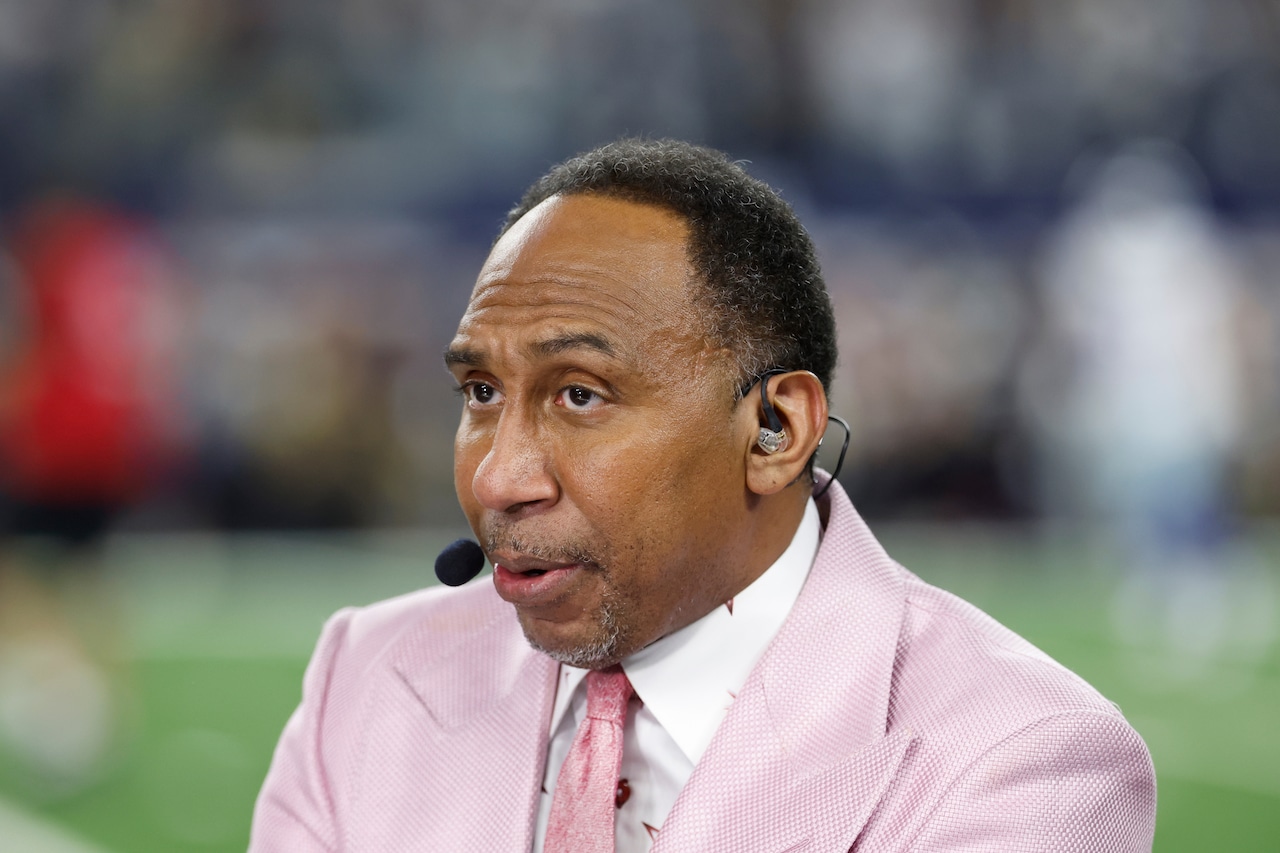
Max Kellerman, former co-host of ESPN’s ‘First Take,’ has recently shed light on his complex relationship with Stephen A. Smith, revealing a professional dynamic unlike any other he’s experienced. In a candid interview on ‘The Bill Simmons Podcast,’ Kellerman discussed his departure from the show and the challenges of working alongside Smith in the high-pressure world of daily sports debate.
Their five-year partnership was marked by on-air tension and a fundamental difference in their approaches to sports analysis. Kellerman emphasized the show’s need for counterintuitive viewpoints, contrasting this with Smith’s role as the ‘big reactor.’ The former host also touched on the competitive factors that may have contributed to their eventual split, painting a picture of a demanding and sometimes strained professional environment.
This article delves into Kellerman’s insights, exploring the nuances of his relationship with Stephen A. Smith, the pressures of working at ESPN, and his reflections on a career built on engaging and often provocative sports commentary.
Max Kellerman Reflects on ESPN Exit
Kellerman addressed his departure from ESPN, stating he wasn’t bothered by others discussing it publicly while he remained silent. He was, however, flattered by the attention and concern from the sports world, indicating a sense of validation after leaving ‘First Take.’
‘That doesn’t bother me at all,’ Kellerman said. ‘But I was very flattered that, you know, because if you go off the air, you’re not sure that the sports world would care, right? But people seemed to care.’
This quote highlights Kellerman’s awareness of his public image and the impact of his work. The fact that his exit generated buzz suggests he left a significant mark on the sports media landscape.
Beyond the immediate aftermath of his departure, Kellerman’s reflections hint at a broader understanding of his role in the industry. The transition marked a turning point, leading him to new opportunities and ventures.
The Unique Dynamic with Stephen A. Smith
Kellerman described his partnership with Stephen A. Smith as unique compared to his other broadcast experiences. He noted a lack of personal connection, emphasizing the professional nature of their relationship. This contrasts with his experiences with other partners, where friendships developed over time.
‘Stephen A. was the one partner I’ve ever had over the years where I didn’t feel like a relationship was really forming,’ he said.
Despite the lack of a close bond, Kellerman stressed the importance of maintaining a professional facade on air. He believed that any personal issues should be kept behind the scenes to ensure an entertaining and engaging show for the audience.
This approach reflects the demands of debate-style television, where the focus is on generating compelling content rather than fostering deep personal connections. Kellerman’s professionalism ensured that the show remained a success, even amidst potential internal challenges.
The Role of Counterintuitive Arguments
Kellerman explained that his role on ‘First Take’ required him to consistently present counterintuitive viewpoints. He contrasted this with Stephen A. Smith’s role as the ‘big reactor,’ who would respond to these unconventional arguments with passionate and often emphatic rebuttals.
‘Stephen A. has no hot takes. Stephen A almost never, I can’t think of any counterintuitive conclusions that he ever reaches,’ Kellerman said. ‘His job is to be the big reactor to a counterintuitive conclusion.’
This dynamic created a compelling tension that fueled the show’s success. Kellerman’s ability to challenge conventional wisdom, combined with Smith’s energetic responses, made for engaging and often controversial television.
The intentional construction of opposing viewpoints drove audience engagement and sustained ‘First Take’s’ popularity. It positioned Kellerman as the contrarian and Stephen A. Smith as the voice of passionate reaction.
Competition and Partnership End
Kellerman suggested that competitive factors may have played a role in the partnership’s end. He questioned the logic of a competitive person wanting him as a partner, drawing a comparison to sparring with a boxing champion every day.
‘If you’re doing a debate show and you’re a competitive person, why would you want me as a partner?’ he said, comparing the daily grind to sparring with boxing champion Bud Crawford for 15 rounds every day.
This perspective hints at a potential power struggle within the show, where the desire to dominate the debate may have created friction between the co-hosts. The competitive environment, while beneficial for creating engaging content, may have also contributed to the eventual split.
Kellerman’s analogy of daily boxing matches highlighted the demanding and potentially draining nature of the show’s format. The constant need to outperform one another may have strained the working relationship over time.
Failed Partnership with Mike Francesa
Kellerman revealed that he was initially slated to partner with legendary radio host Mike Francesa after leaving ESPN. However, this opportunity dissolved, likely due to Francesa’s realization that the network wouldn’t require him to have a partner.
‘I was supposed to go over and work with Mike,’ he said, explaining that Francesa likely decided against taking a partner once he realized the network wouldn’t require it.
This anecdote provides insight into the behind-the-scenes negotiations and decisions that shape the sports media landscape. It also underscores the importance of adaptability and resilience in a constantly evolving industry.
The failed partnership with Francesa represents a missed opportunity for Kellerman, but it also highlights his willingness to explore new avenues and challenges in his career.
ESPN’s Editorial Approach
Kellerman discussed ESPN’s editorial approach, noting the pressure to prioritize coverage of major market teams like the Cowboys, Lakers, Knicks, and Yankees. He acknowledged that this strategy was based on sound business principles, as it catered to the largest audience.
‘They’re telling you Cowboys, Lakers, Knicks, Yankees, like it’s all the big teams,’ he said, noting this was ‘for good reason’ because ‘you fish where the fish are.’
This insight reveals the commercial realities that influence sports media content. While ESPN strives to provide comprehensive coverage, it also recognizes the need to appeal to the largest possible audience, which often means focusing on the most popular teams and markets.
The prioritization of major market teams is a common practice in the industry, but it also raises questions about the representation of smaller markets and less popular sports. Kellerman’s comments highlight the tension between journalistic integrity and commercial considerations.
The Value of Partnerships
Despite the challenges he faced with Stephen A. Smith, Kellerman expressed a preference for working with partners. He found conversations more engaging than simply talking into the void, highlighting the benefits of collaboration and the exchange of ideas.
‘I don’t need a partner either, but I like having one because I find conversations more interesting than just talking into the wind,’ he said, noting he became good friends with previous broadcast partners, including Brian Kenny, Jim Lampley, and Marcellus Wiley.
This sentiment reveals Kellerman’s appreciation for the dynamic interplay that can occur between co-hosts. The ability to bounce ideas off one another, challenge each other’s perspectives, and create a sense of camaraderie can enhance the overall viewing experience.
While his relationship with Stephen A. Smith may not have led to a close friendship, Kellerman’s positive experiences with other partners underscore the potential for successful and fulfilling collaborations in the world of sports media.
Key Takeaways from Kellerman’s Interview
Max Kellerman’s recent interview provides valuable insights into the dynamics of sports debate television, the pressures of working at ESPN, and the complexities of professional partnerships. His reflections on his relationship with Stephen A. Smith offer a rare glimpse behind the scenes of one of the most popular sports shows on television.
Kellerman’s candor sheds light on the challenges of maintaining a professional facade amidst internal tensions, the importance of adaptability in a competitive industry, and the delicate balance between journalistic integrity and commercial considerations. His experiences offer valuable lessons for aspiring sports media professionals and anyone interested in the inner workings of the industry.
Ultimately, Kellerman’s story is one of resilience, adaptability, and a deep passion for sports commentary. His ability to navigate the ever-changing landscape of sports media, while remaining true to his principles, is a testament to his talent and dedication. As he continues to explore new avenues in his career, his insights will undoubtedly continue to shape the conversation around sports and the media that covers it.
Leave a Reply