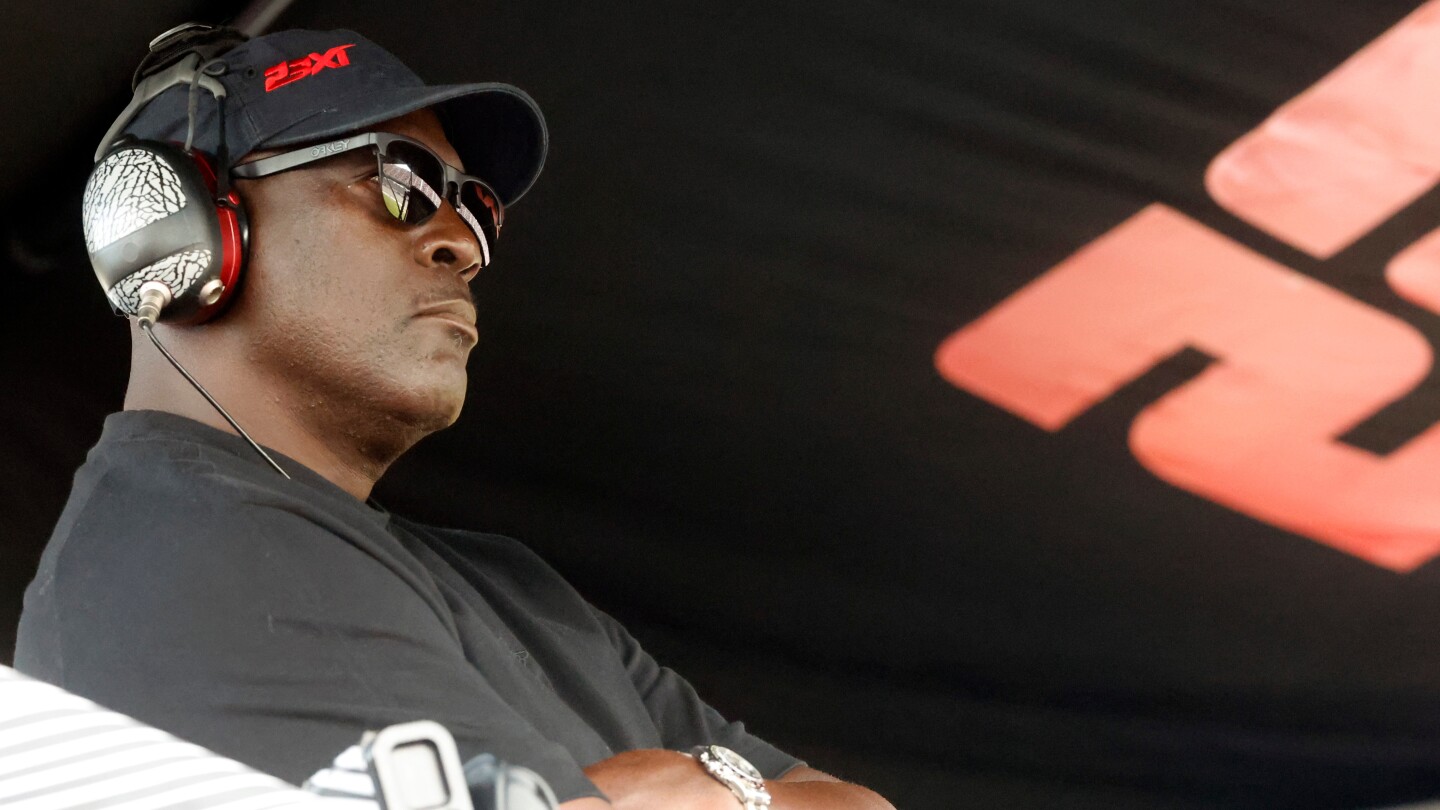
The high-stakes NASCAR antitrust case continues to unfold, drawing in prominent figures like Michael Jordan and Heather Gibbs, daughter-in-law of Joe Gibbs. Their testimonies are anticipated to shed light on the ongoing dispute between NASCAR and team owners regarding the charter system and revenue distribution. This legal battle could reshape the financial structure of NASCAR, impacting team sustainability and the sport’s overall competitive balance.
The core of the antitrust case revolves around claims that NASCAR has acted as a monopolistic bully, particularly in its handling of team charters—agreements guaranteeing teams a spot in races and a defined payout. The lawsuit, filed by 23XI Racing, co-owned by Michael Jordan and Denny Hamlin, and Front Row Motorsports, challenges the fairness and long-term viability of NASCAR’s financial model.
This article delves into the details of the case, focusing on the testimonies of Michael Jordan and Heather Gibbs, the financial struggles faced by NASCAR teams, and the implications of the trial’s outcome. By examining these key aspects, we can gain a deeper understanding of the challenges and potential changes facing NASCAR.
NASCAR Antitrust Case: A Deep Dive
The NASCAR antitrust case originated from disagreements over the charter system, which ensures a guaranteed spot and payout for participating teams. Dissatisfaction with the terms of the charter extensions led 23XI Racing and Front Row Motorsports to file a lawsuit, alleging monopolistic practices by NASCAR. Central to the dispute is the teams’ demand for permanent charters, which NASCAR has resisted.
Heather Gibbs, the Chief Operating Officer of Joe Gibbs Racing, penned an impassioned letter to NASCAR Chairman Jim France, advocating for permanent charters. This letter highlighted the financial investments and emotional dedication teams have poured into NASCAR. The core argument is that permanent charters would provide financial stability, allowing teams to focus on competition rather than constantly seeking external investment.
The discovery phase of the trial revealed internal communications showing frustration among NASCAR executives regarding the slow pace of negotiations and Jim France’s reluctance to grant permanent charters. These communications painted a picture of a divided leadership, with some pushing for concessions to the teams and others resistant to changing the established financial model.
Ultimately, Joe Gibbs signed the charter agreement, but not without expressing reservations. Bob Jenkins, owner of Front Row Motorsports, testified that Gibbs apologized for signing, indicating the pressure and difficult decisions team owners faced during the negotiation process.
Michael Jordan’s Perspective on NASCAR Finances
Michael Jordan’s involvement in NASCAR adds significant weight to the antitrust case. As the co-owner of 23XI Racing, Jordan brings a business-savvy perspective to the financial challenges faced by teams. His testimony is expected to focus on the sustainability of the current revenue model and the need for reforms to ensure teams can thrive.
Jordan’s entry into NASCAR generated considerable excitement and attention, drawing new fans and sponsors to the sport. However, the financial realities of running a competitive team remain daunting. The costs associated with fielding a car for an entire season can be prohibitive, making it difficult for teams to invest in technology, personnel, and other resources necessary for success.
The antitrust case provides an opportunity for Jordan to advocate for changes that would benefit not only his team but the sport as a whole. By highlighting the financial struggles faced by teams, he can push for a more equitable distribution of revenue and a more sustainable business model.
His testimony could underscore the importance of attracting outside investors and the challenges teams face in relying solely on sponsorships to cover their expenses. Jordan’s voice, amplified by his celebrity status and business acumen, could be pivotal in shaping the outcome of the trial.
Heather Gibbs’ Emotional Appeal for Stability
Heather Gibbs’ letter to Jim France serves as a powerful testament to the emotional and financial investment families have made in NASCAR. As the Chief Operating Officer of Joe Gibbs Racing, she has firsthand knowledge of the challenges teams face in maintaining competitiveness while staying financially afloat. Her plea for permanent charters reflects a deep concern for the future of her family’s legacy in the sport.
In her letter, Gibbs emphasized the years of hard work, dedication, and investment that have gone into building Joe Gibbs Racing. She highlighted the financial strain teams endure, often relying on outside investors to stay competitive. Her words conveyed a sense of frustration and disappointment with NASCAR’s resistance to making charters permanent.
Gibbs’ testimony is expected to elaborate on the themes presented in her letter, providing further insight into the financial realities faced by teams. She is likely to discuss the impact of the current financial model on team morale, long-term planning, and the ability to attract and retain top talent.
By sharing her personal experiences and professional insights, Gibbs aims to humanize the antitrust case and underscore the importance of finding a solution that benefits all stakeholders in NASCAR.
NASCAR Teams Fight for Financial Survival
The antitrust case has brought to light the financial difficulties faced by many NASCAR teams. Testimonies from team owners and executives have revealed the unsustainable nature of the current revenue model, where teams struggle to cover their expenses despite guaranteed payouts from NASCAR.
Steve O’Donnell, President of NASCAR, testified that teams approached the sanctioning body in early 2022, requesting an improved revenue model. Representatives from several teams argued that the existing system was not sustainable and asked for negotiations to begin earlier than scheduled. This plea underscores the urgency and severity of the financial challenges teams were facing.
Jeff Gordon, Vice Chair of Hendrick Motorsports, specifically asked if the France family was open to a new model, indicating a willingness to explore alternative revenue distribution structures. However, Jim France reportedly opposed significant changes to the existing model.
The financial strain on teams is further evidenced by the fact that the guaranteed money for each chartered car, while increased to $12.5 million annually, still falls short of the estimated $20 million needed to run a single car for all 38 races. This gap forces teams to rely heavily on sponsorships, creating a precarious financial situation.
NASCAR’s Perspective: Investments and Growth
NASCAR defends its financial model by highlighting the investments it has made to grow the sport and improve the overall experience for fans and teams. O’Donnell testified that NASCAR lost money on events like the Chicago street race and the Mexico City race, but argued that these events were critical for expanding viewership and attracting new media partners like Amazon.
The decision to hold races in new markets is part of NASCAR’s strategy to broaden its appeal and reach a wider audience. While these events may not be immediately profitable, they are seen as strategic investments that will pay off in the long run by increasing the sport’s popularity and revenue potential.
NASCAR also points to improvements in the media landscape, such as the addition of Amazon as a broadcast partner, as evidence of its commitment to growing the sport. These partnerships not only generate revenue but also provide increased exposure for NASCAR and its teams.
Despite these efforts, the financial struggles faced by teams remain a significant concern. The antitrust case challenges NASCAR to demonstrate that its financial model is fair and sustainable, and that it is committed to supporting the long-term health of its teams.
Trial Delays and Judge’s Admonishment
The NASCAR antitrust trial has faced delays, prompting Judge Kenneth Bell to admonish both sides over the slow pace of proceedings. Initially expected to last two weeks, the trial is now projected to extend into a third week, much to the judge’s dismay. The judge expressed concern over the inefficiencies and urged both sides to expedite the process.
One of the sticking points has been the scheduling of witnesses, particularly Roger Penske, who is reluctant to testify and has limited availability. The judge has instructed NASCAR to work out a solution with Penske, emphasizing that federal trials should not be unduly prolonged.
The judge also noted that witnesses have been reluctant to answer even the most harmless questions, further slowing down the trial. He urged both sides to counsel their witnesses to be more forthcoming in their responses.
These delays and admonishments underscore the complexity and contentiousness of the antitrust case. As the trial progresses, it is crucial that both sides work efficiently and transparently to ensure a fair and timely resolution.
The Road Ahead for NASCAR
The NASCAR antitrust case involving Michael Jordan and Joe Gibbs’ daughter-in-law highlights critical issues facing the sport, particularly the financial sustainability of teams and the structure of the charter system. The testimonies of key figures like Jordan and Gibbs, along with internal communications and financial data, have provided a comprehensive view of the challenges and potential solutions.
The outcome of this trial could have far-reaching implications for NASCAR, potentially reshaping the financial landscape and the relationship between the sanctioning body and its teams. A ruling in favor of the plaintiffs could lead to significant changes in revenue distribution and the charter system, while a ruling in favor of NASCAR could maintain the status quo.
Regardless of the outcome, the antitrust case has brought important issues to the forefront, prompting discussions about the long-term health and competitiveness of NASCAR. The sport must find ways to balance the interests of all stakeholders, ensuring that teams can thrive and fans can continue to enjoy thrilling races.
As NASCAR moves forward, it is essential to foster open communication, collaboration, and a shared commitment to the sport’s success. By addressing the financial challenges and embracing innovative solutions, NASCAR can secure a bright future for generations to come.
Leave a Reply