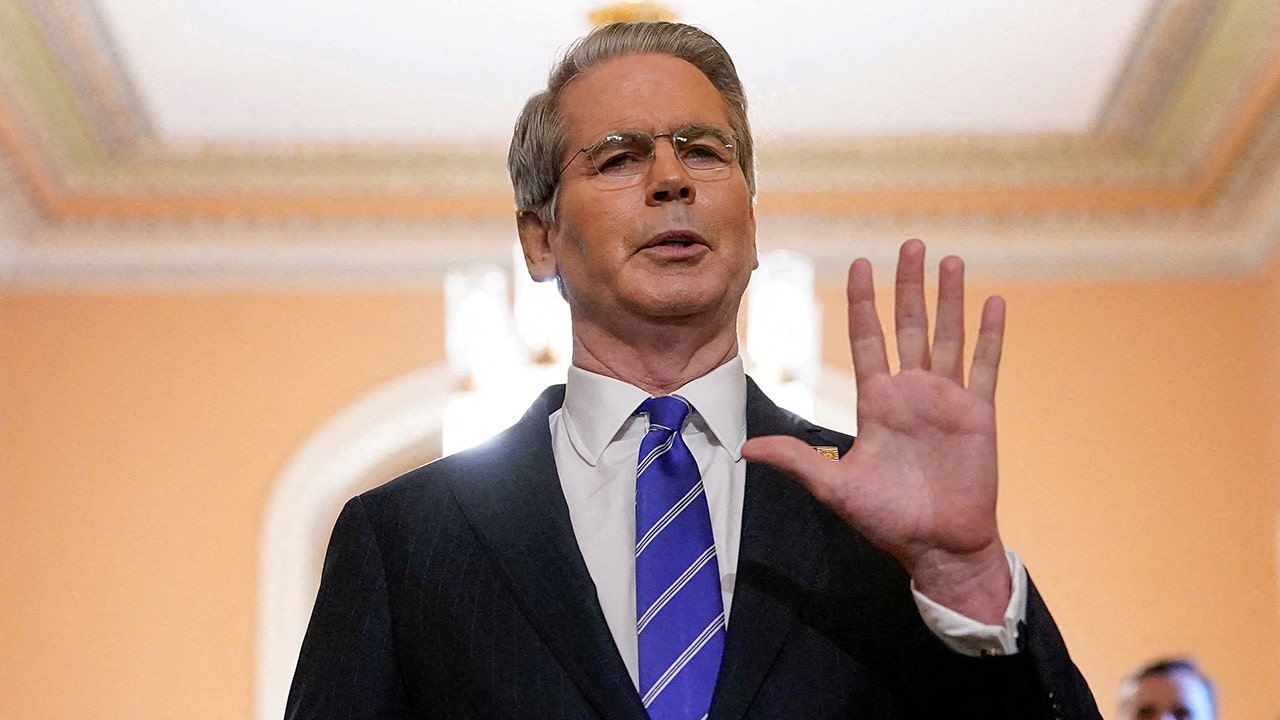
In a recent address at the New York Times DealBook Summit, Treasury Secretary Scott Bessent voiced strong concerns regarding the potential repercussions of a Supreme Court ruling against the Trump administration’s tariffs. Bessent argued that such a decision would not only be a setback for the administration but also a significant detriment to the American people. The core of his argument revolves around the International Emergency Economic Powers Act (IEEPA) tariffs, which have become a focal point of legal contention and economic debate.
The tariffs, enacted under the Trump administration, have faced legal challenges, leading to the Supreme Court’s involvement. Bessent’s warning underscores the high stakes of the impending ruling, emphasizing the potential impact on trade negotiations and domestic production. His statements highlight the administration’s perspective on the tariffs as a tool for rebalancing trade and addressing critical issues like fentanyl trafficking, further complicating the narrative surrounding the legal battle.
This article delves into Bessent’s arguments, the legal challenges surrounding the IEEPA tariffs, and the potential economic consequences of the Supreme Court’s decision. It also examines the broader implications for trade policy and the ongoing efforts to address economic challenges facing the United States.
Bessent’s Warning on Tariff Ruling
Treasury Secretary Scott Bessent has publicly stated his concerns regarding the potential ramifications of the Supreme Court striking down the Trump administration’s tariffs. He argues that such a ruling would be a significant “loss for the American people,” emphasizing the broader economic implications beyond just the administration’s policy agenda. Bessent’s remarks were made during the New York Times DealBook Summit, where he addressed the ongoing legal challenges to the tariffs imposed under the International Emergency Economic Powers Act (IEEPA).
“Everyone says it will be a loss for the administration. I think it’ll be a loss for the American people,” Bessent said, highlighting his belief that the tariffs serve a purpose beyond political maneuvering. His comments reflect the administration’s stance that the tariffs are a crucial tool for negotiating trade terms and rebalancing trade relationships.
The treasury secretary’s warning underscores the administration’s perspective on the importance of these tariffs in achieving their economic goals. By framing the issue as a matter of national interest, Bessent seeks to elevate the debate beyond partisan politics and emphasize the potential consequences for American citizens.
Legal Challenges to IEEPA Tariffs
The tariffs imposed by the Trump administration under the International Emergency Economic Powers Act (IEEPA) have faced significant legal challenges, leading to their consideration by the Supreme Court. Federal courts have previously struck down the IEEPA tariffs, prompting the administration to appeal to the highest court in the country. These legal challenges center on the scope of presidential authority under the IEEPA and whether the tariffs exceed the powers granted by the act.
The Supreme Court’s decision will have far-reaching implications for the use of emergency economic powers in trade policy. A ruling against the administration could limit the president’s ability to impose tariffs without congressional approval, while a ruling in favor could solidify the executive branch’s authority in trade matters.
The outcome of these legal challenges will not only affect the current tariffs but also set a precedent for future trade policies and the balance of power between the executive and legislative branches.
Economic Impact of Tariffs
The economic impact of the tariffs imposed under the IEEPA is a subject of ongoing debate. Proponents argue that the tariffs are necessary to protect domestic industries, rebalance trade relationships, and address issues like fentanyl trafficking. Critics, however, contend that the tariffs raise prices for consumers, harm businesses, and disrupt global supply chains.
Treasury Secretary Bessent emphasized that the IEEPA tariffs have helped the Trump administration negotiate trade terms, stating that “the tariffs are a shrinking ice cube. The ultimate goal is to rebalance trade and to bring back domestic production.” His comments reflect the administration’s belief that the tariffs are a temporary measure to achieve long-term economic goals.
The actual economic impact of the tariffs is complex and multifaceted, with different sectors and industries experiencing varying effects. The Supreme Court’s decision on the legality of the tariffs will likely have significant consequences for the future of trade policy and the American economy.
Tariffs as a Negotiating Tool
The Trump administration has consistently viewed tariffs as a crucial negotiating tool in trade deals. Treasury Secretary Bessent highlighted the importance of the IEEPA authority in providing the president and his team with “much more negotiating room.” He also emphasized the role of tariffs in addressing critical issues like the fentanyl crisis, citing progress made with China as a direct result of the tariffs.
“The IEEPA authority gave the president and our team much more negotiating room… now, because of the [tariffs], the Chinese are making the first step forward that they’ve made in… fentanyl,” Bessent said, underscoring the administration’s belief that tariffs can be effective in achieving broader policy objectives.
The use of tariffs as a negotiating tool has been a hallmark of the Trump administration’s trade policy, with both supporters and critics questioning its effectiveness and potential consequences.
Costco’s Refund Lawsuit
The potential financial implications of the Supreme Court striking down the IEEPA tariffs are significant, with businesses potentially seeking refunds for tariffs they have already paid. Treasury Secretary Bessent addressed this issue, noting that Costco has filed a lawsuit seeking a refund of tariffs paid. He questioned the basis for such refunds, suggesting that foreign producers may have already factored the tariffs into their pricing.
“I just saw that Costco is going to file for a refund. Okay, tell me what kind of refund Costco is due. If the foreign producer lowered their price, they’ve taken a deduction, right? They’ve taken a deduction on having paid the tariffs,” Bessent said, raising questions about the fairness and logic of refunding tariffs that may have already been offset by price adjustments.
Costco’s lawsuit argues that the IEEPA law does not grant the president the authority to impose or increase tariffs, and therefore, the company is entitled to a refund of the tariffs it paid. The outcome of this lawsuit could have significant financial implications for businesses and the government.
Conclusion
Treasury Secretary Scott Bessent’s warning about the potential consequences of a Supreme Court ruling against the Trump administration’s tariffs underscores the high stakes of the legal battle. His arguments highlight the administration’s belief that the tariffs are a crucial tool for rebalancing trade, protecting domestic industries, and addressing critical issues like fentanyl trafficking.
The legal challenges to the IEEPA tariffs and the potential economic ramifications of the Supreme Court’s decision raise fundamental questions about the scope of presidential authority in trade policy and the balance of power between the executive and legislative branches. The outcome of this legal battle will have far-reaching implications for the future of trade policy and the American economy.
As the Supreme Court prepares to rule on the legality of the IEEPA tariffs, businesses, policymakers, and the American people are closely watching, aware of the potential consequences for trade, the economy, and the balance of power in Washington.
Leave a Reply