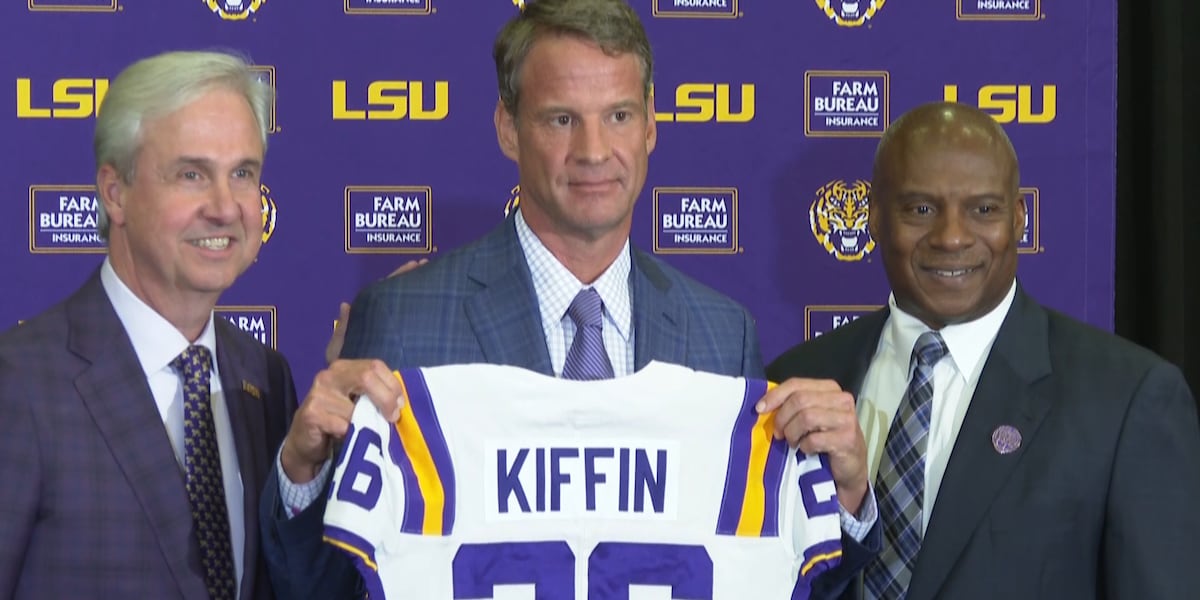
The Louisiana State University (LSU) football program is a powerhouse, not just on the field, but also as a significant economic driver for the state. With the recent arrival of Lane Kiffin as the new head coach, many are wondering if he can replicate the kind of economic impact that legendary coaches like Nick Saban have had on other university programs. This article dives into the potential economic boost Kiffin’s presence could bring to Louisiana, drawing parallels with Saban’s transformative effect on the University of Alabama. From increased tax revenues to potential enrollment surges, we’ll explore the multifaceted ways in which a successful football program can stimulate economic growth and enhance a university’s profile.
LSU Football: An Economic Engine for Louisiana
LSU football already contributes significantly to Louisiana’s economy. According to Dek Terrell, an LSU economist who specializes in the university’s economic footprint, the athletic program generates roughly $500 million in economic impact. This figure encompasses various revenue streams, including ticket sales, merchandise, tourism, and associated spending in the local community. The passion and support for LSU football create a ripple effect, benefiting businesses and contributing to the state’s overall financial health.
“LSU football is more than just a game; it’s an integral part of Louisiana’s economic landscape,” says Terrell.
The arrival of a high-profile coach like Lane Kiffin has the potential to amplify this impact even further.
Kiffin’s Arrival: A Potential $100 Million Boost?
Dek Terrell estimates that the excitement surrounding Lane Kiffin and the rising expectations for the LSU football program could add another $100 million in economic activity. This additional revenue could stem from increased game attendance, higher merchandise sales, and greater media exposure for the university and the state. The anticipation and enthusiasm generated by Kiffin’s arrival create a positive feedback loop, attracting more investment and attention to LSU and Louisiana.
Tax Revenue: Fueling Louisiana’s Future
A significant portion of the economic activity generated by LSU football translates into tax revenue for the state of Louisiana. These funds can be allocated to various public projects, including infrastructure upgrades, public safety initiatives, and education. By supporting LSU football, the community is indirectly investing in the future of the state.
“This move could have a substantial impact on the future of LSU and the state as a whole,” Terrell notes, emphasizing the importance of the football program’s success.
The potential for increased tax revenue highlights the critical role that LSU football plays in the state’s financial well-being.
Student Buzz: A Sign of Things to Come
The excitement surrounding Lane Kiffin’s arrival is palpable among LSU students. The presence of a high-profile coach generates a buzz that extends beyond the football field, influencing the overall atmosphere and appeal of the university. Students recognize the significance of having a respected and successful coach leading the football program.
“You get a big name like that… Coach O, Saban, Kiffin… you see those names on billboards around campus and around the city, and people are going to be intrigued to see what Baton Rouge is all about,” says LSU student Kyle Stack.
This increased visibility and prestige can have a positive impact on student recruitment and retention.
The Nick Saban Effect: Lessons from Alabama
Dek Terrell points to the University of Alabama as a prime example of how a successful football program can transform a school’s profile. During Nick Saban’s tenure, Alabama’s enrollment increased by nearly 120%. This surge in student population had a profound impact on the university’s infrastructure, academic programs, and overall economic activity.
The “Nick Saban effect” demonstrates the potential for a successful football program to elevate a university’s reputation and attract a larger pool of talented students.
Preparing for Growth: LSU’s Proactive Measures
If LSU experiences a similar surge in enrollment, the university must be proactive in preparing for the increased demand. This includes expanding housing facilities, academic buildings, and hiring more faculty. LSU is already taking steps in this direction, with a new dorm under construction that is expected to house more than 1,000 students. By anticipating and addressing the potential challenges of growth, LSU can ensure a positive and sustainable future.
“We’re already building here at LSU. So, if you’re going to add 10,000 more students, then there’s going to have to be buildings, and you’re going to have to hire more people to teach them,” Terrell explains.
These investments are crucial for maintaining the quality of education and the overall student experience.
Conclusion: A Promising Future for LSU and Louisiana
The arrival of Lane Kiffin as the head coach of LSU’s football program holds immense potential for both the university and the state of Louisiana. Drawing inspiration from the transformative impact of coaches like Nick Saban, Kiffin’s presence could spark a significant economic boom, generating increased tax revenues, attracting more students, and elevating LSU’s national profile. By proactively preparing for growth and investing in infrastructure and academic programs, LSU can capitalize on this opportunity and create a brighter future for its students and the entire state of Louisiana. The coming years promise to be an exciting chapter in LSU’s history, with the potential for both on-field success and significant economic prosperity.
Leave a Reply